Troubleshooting 5 min read
Why Is My Electric Bill So High in Phoenix This Summer?
Quick answer
Learn how cooling demand, time-of-use rates, pool pumps, and thermostat settings raise Phoenix summer electric bills—and which changes can help.
Need help with this? See our electrical troubleshooting service.
Open the utility app, look at the projected bill, feel your stomach drop. It happens all over the Valley right around mid-July. The AC has been running since April, the overnight "lows" are in the 90s, and the number on your SRP or APS account keeps climbing. Before you resign yourself to living in the dark until October, it helps to understand what is actually driving that bill, because several of the causes have real fixes.
One quick note before we start. If the heat is also making your breakers act up, that is a separate problem, and we covered it in why your AC keeps tripping the breaker in Arizona. This post is about the size of the bill itself.
Start With the Big One: Cooling Is Half Your Bill or More
SRP's own guidance is that air conditioning can account for 50% or more of a home's total electric bill during an Arizona summer, and in July and August plenty of Valley homes run closer to two-thirds. That means the fastest savings almost always come from how the house gets cooled, not from unplugging the toaster.
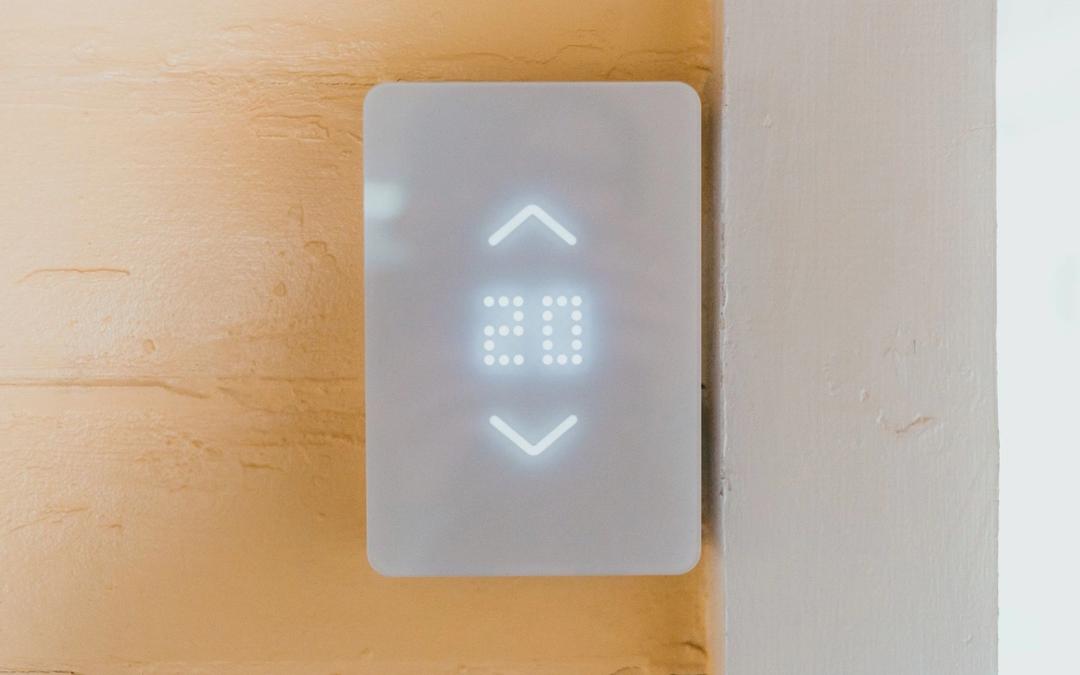
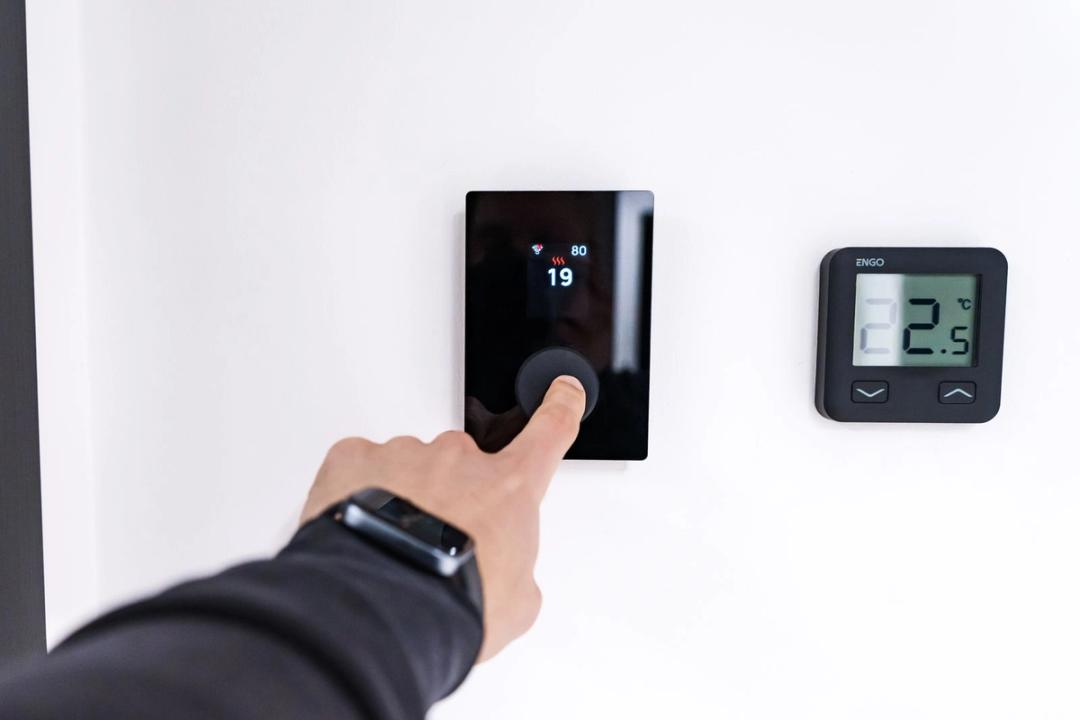
The utility playbook here is worth repeating because it works: set the thermostat at 78 to 80 when you are home and let it drift higher when you are away, since every degree above 80 saves roughly 2 to 3% on cooling. Run the AC fan on auto instead of on, which SRP estimates is worth $15 to $25 a month by itself. Keep filters clean, and consider shade screens on sun-facing windows, which can cut cooling costs by up to 25%.
You Might Be Paying Triple for the Same Kilowatt-Hour
Here is the part most people never look at: on a time-of-use plan, when you use power matters as much as how much you use.
As of summer 2026, SRP's Conserve 6–9 plan charges about 40 cents per kWh during July and August on-peak hours (6 to 9 p.m. weekdays) versus about 13 cents off-peak and under 7 cents super off-peak overnight. APS's popular Saver Choice plans work the same way, with weekday 4 to 7 p.m. power costing roughly three and a half times what the same electricity costs midday. You can see the current numbers on SRP's plan comparison page (opens in a new tab) and APS's service plan page (opens in a new tab).
That gap is why two identical houses can have wildly different bills. The one that runs its big loads at 6 p.m. pays a premium on every one of those kilowatt-hours.
The pool pump is the classic offender. An older single-speed pump drawing hard for six hours through the afternoon and evening peak is quietly one of the most expensive appliances in the house. Moving it to overnight hours with a proper timer, or upgrading to a variable-speed pump on a dedicated circuit, changes the math immediately.
EV charging at the wrong time erases the savings of driving electric. Charging at 6 p.m. on peak can cost several times what the same charge costs after 9 or 10 p.m. Every modern charger and most vehicles support scheduled charging. If you are still deciding on equipment, we compared the options in Level 1 vs Level 2 EV chargers.
Laundry, dishwasher, and electric water heating can shift too. None of them is huge alone, but stacked on peak hours all summer, they add up.
The Equipment Problems That Quietly Inflate Bills
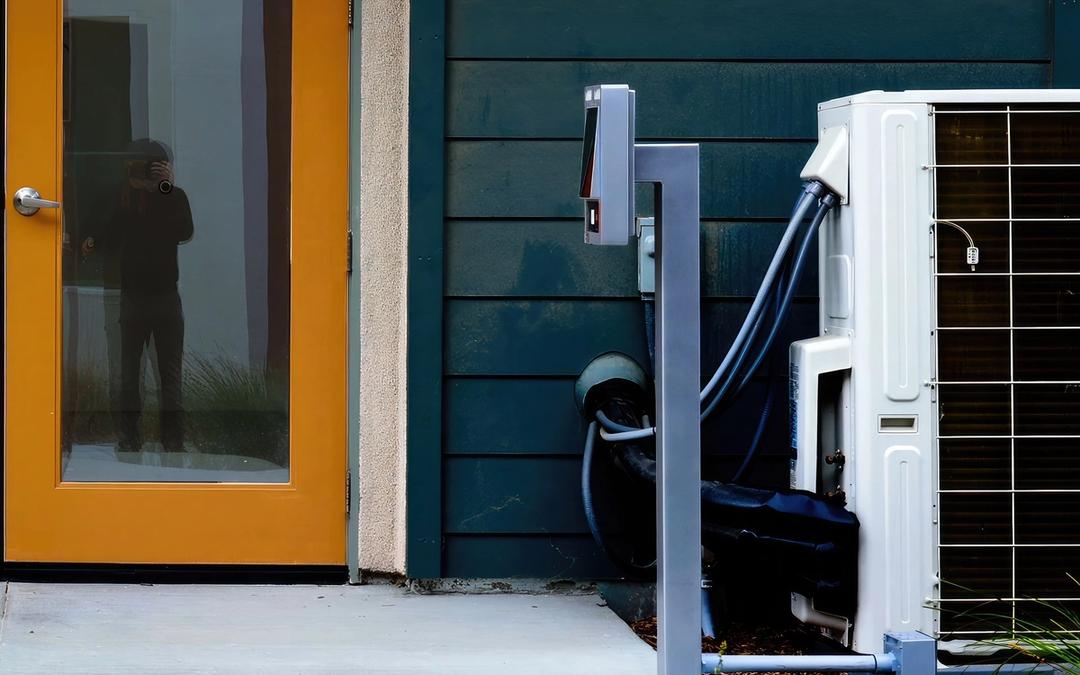
An AC that is struggling costs more every hour it runs. Dirty condenser coils, a weak capacitor, low refrigerant, or leaky ductwork all force longer run times and higher amp draw for the same cooling. If your system runs constantly, short-cycles, or just never quite catches up, the bill problem is inside the AC, not the wiring. That is HVAC territory, and it is why we point people to our sister company The Cooling Guy HVAC (opens in a new tab) (Arizona ROC 364481) for tune-ups, duct repairs, and honest advice on whether an aging unit is worth another summer. Same family, same no-BS approach, different trade.
A tired pool pump motor draws more than it should. If the pump hums, trips its breaker, or runs hot, it is pulling extra current on every cycle.
Old resistance loads add up. A failing electric water heater element, an ancient spare fridge in a 120-degree garage, or a well pump with a failing start capacitor can each add real money without any visible symptom except the bill.
What an Electrician Can Actually Do About Your Bill
Show you where the power is going. We can install a whole-home energy monitor in your panel that tracks usage circuit by circuit from your phone. Instead of guessing whether it is the AC, the pool, or the garage fridge, you see it in real numbers within a week. For homes fighting a mystery bill, this is the single most useful upgrade we install.
Put your big loads on a schedule. Proper timers for the pool pump and water heater, smart switches for the loads you forget about, and EV charging set up to start when rates drop. The goal is simple: move everything movable out of the peak window.
Make sure the panel itself is healthy. Loose or corroded connections create heat and waste, and an overloaded panel limits your options for adding efficient equipment later. If your panel is original to a decades-old house, it is worth reading the 7 signs you need a panel upgrade.
Quick Wins This Week
Set the thermostat to 78 or above and the fan to auto. Change the filter. Move the pool pump to overnight hours. Schedule EV charging after the peak window. If you are on a time-of-use plan, pre-cool the house a couple of degrees before the peak window starts, then let it coast through the expensive hours. And pull up a year of usage history in your SRP or APS app, because the shape of that graph usually points straight at the culprit.
When to Call Us
Call a licensed electrician if you want circuit-level visibility into your usage, if your pool pump or water heater needs a timer or a new circuit, if you are adding an EV charger and want it wired for off-peak charging, or if your panel is too old or too full to support any of it. A high summer bill in Phoenix is partly the desert tax we all pay, but it should not be a mystery.
At The Wire Guy Electric (Arizona ROC 365306), we'll help you figure out where the power is actually going and set the house up so the expensive hours cost you as little as possible.
We serve Mesa, Scottsdale, Gilbert, Chandler, Tempe, Queen Creek, Paradise Valley, and Fountain Hills. Request a free estimate and we'll take the mystery out of your summer bill.
Local help Electrician in Phoenix, AZ