
Whole-Home Rewiring 5 min read
How Much Does It Cost to Rewire a House in Arizona?
Quick answer
Wondering what a full house rewire costs in the Phoenix area? Here's a real breakdown from a local electrician, including when you actually need one.
Need help with this? See our whole-home rewiring service.
If you own an older home in the Phoenix valley, rewiring is one of those projects that might be on your radar. Maybe your home inspector flagged outdated wiring. Maybe you're doing a major remodel and the contractor said the electrical needs to be brought up to code. Or maybe you've been dealing with flickering lights, tripping breakers, and warm outlets long enough to know something isn't right.
Whatever the reason, rewiring a house is a big project. We'll cover what it actually costs here in Arizona, what's involved, and how to know if you really need it.
What Does a Full House Rewire Cost in Arizona?
In the Phoenix metro area, a full rewire costs $12,000 to $25,000 or more. The price depends on the size of the house, the number of circuits, accessibility of the walls and attic, and how much of the old wiring needs to come out versus being abandoned in place.
That range includes labor, materials (wire, outlets, switches, boxes), a new electrical panel if needed. It doesn't include drywall repair or painting, which is usually handled by a separate contractor after the electrical work is done.
What's Included in a Rewire
A full house rewire means replacing all of the existing wiring in your home with new copper wiring that meets current National Electrical Code (NEC) standards. Here's what that typically involves:
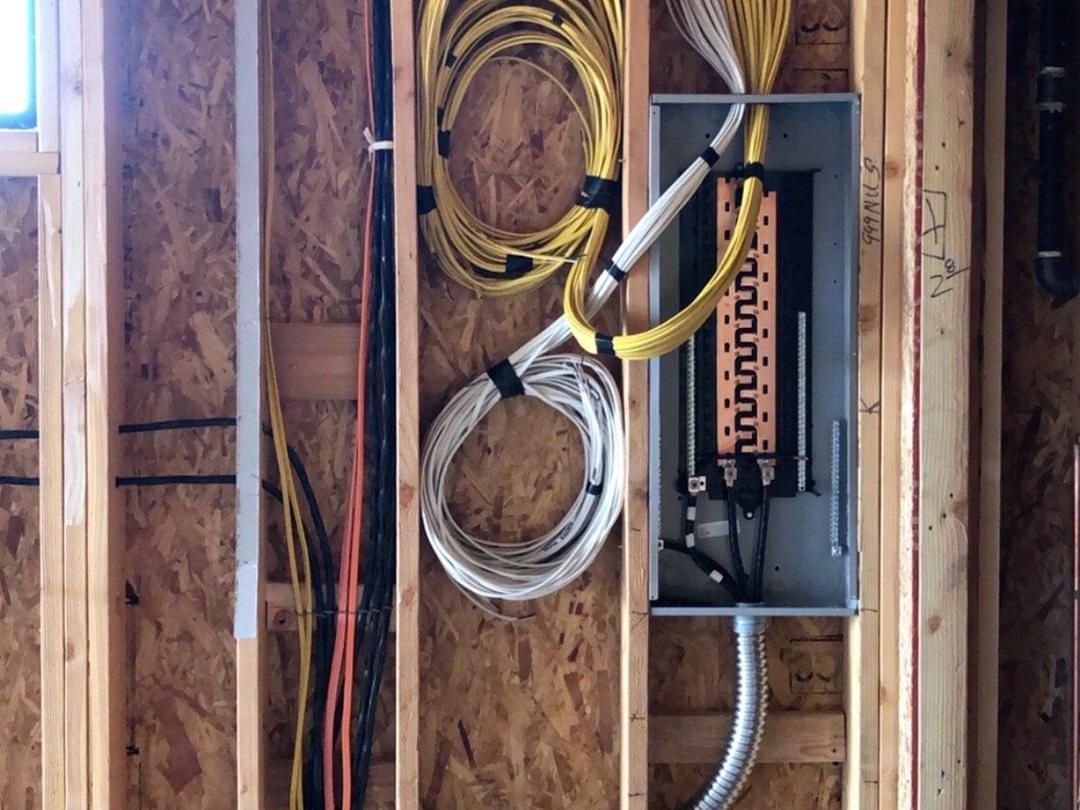
Replacing all branch circuit wiring. Every wire running from your panel to your outlets, switches, and light fixtures gets replaced with new NM (Romex) cable.
New outlets and switches. Old receptacles and switches are replaced with new ones. In kitchens, bathrooms, garages, and outdoor areas, we install GFCI-protected outlets as required by code. If you want to understand more about how those work, check out our post on how to wire a GFCI outlet.
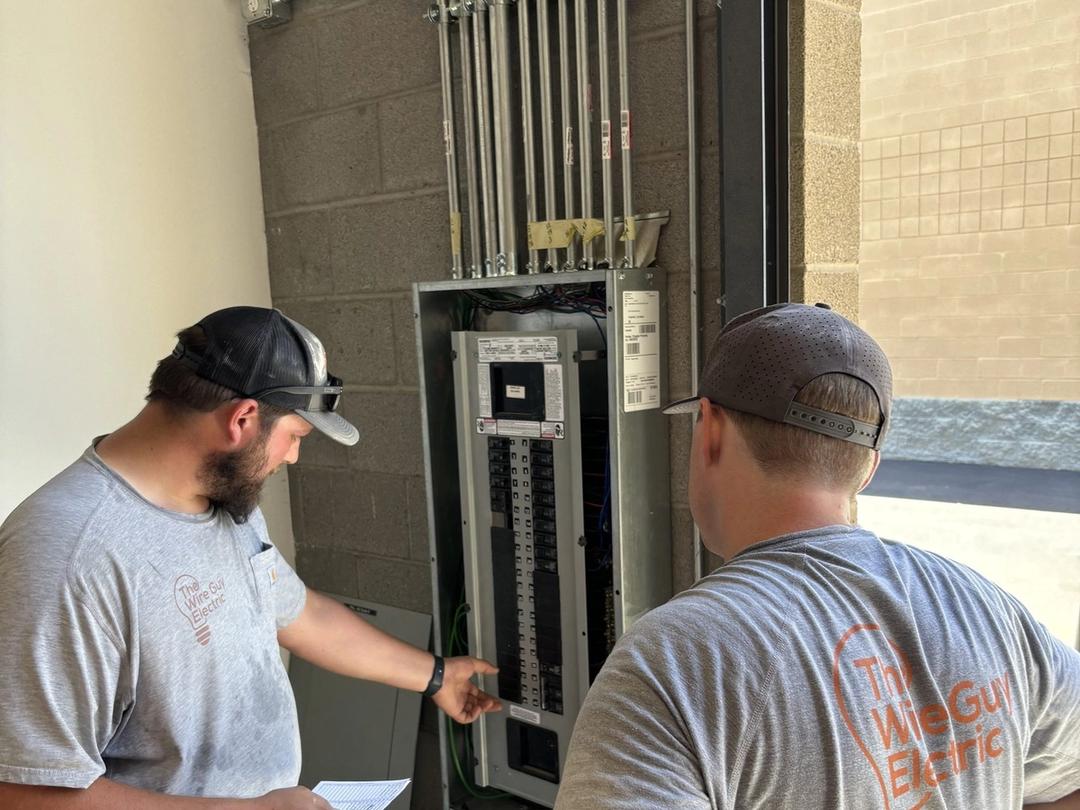
Upgrading the electrical panel. Most homes that need a rewire also need a panel upgrade. If you're going from old 60-amp or 100-amp service to 200 amps, that's part of the project. A standard 200-amp panel replacement on its own runs $5,200 to $6,500, but when bundled with a rewire, the labor overlaps and the combined cost is lower than doing them separately.
Bringing everything up to current code. This includes proper grounding, arc-fault circuit interrupter (AFCI) breakers where required, tamper-resistant outlets, and correct wire sizing for each circuit.
Permits and inspection. A full rewire is the kind of major project where pulling a permit usually makes sense, especially if you plan to sell the home or want the work documented for insurance. We'll walk you through whether it makes sense for your specific situation and what it adds to the cost.
Partial Rewire vs. Full Rewire
Not every home needs a full rewire. In some cases, only part of the wiring is problematic. Maybe the kitchen and bathrooms need updating, but the bedroom circuits are fine. Or maybe you're remodeling one section of the house and want to bring that area up to code.
A partial rewire costs significantly less. For a single room or area, you might pay $1,500 to $4,000 depending on the scope. For a kitchen or bathroom remodel with electrical work, expect $3,000 to $6,000 for the electrical portion. Check out our remodel services page for more on what we do for renovations.
We always recommend starting with an electrical inspection. We'll look at your panel, test your circuits, check your grounding, and give you an honest assessment of what actually needs to be replaced and what's still safe.
Signs Your Arizona Home May Need Rewiring
Here are the things we see most often in homes that end up needing a partial or full rewire:
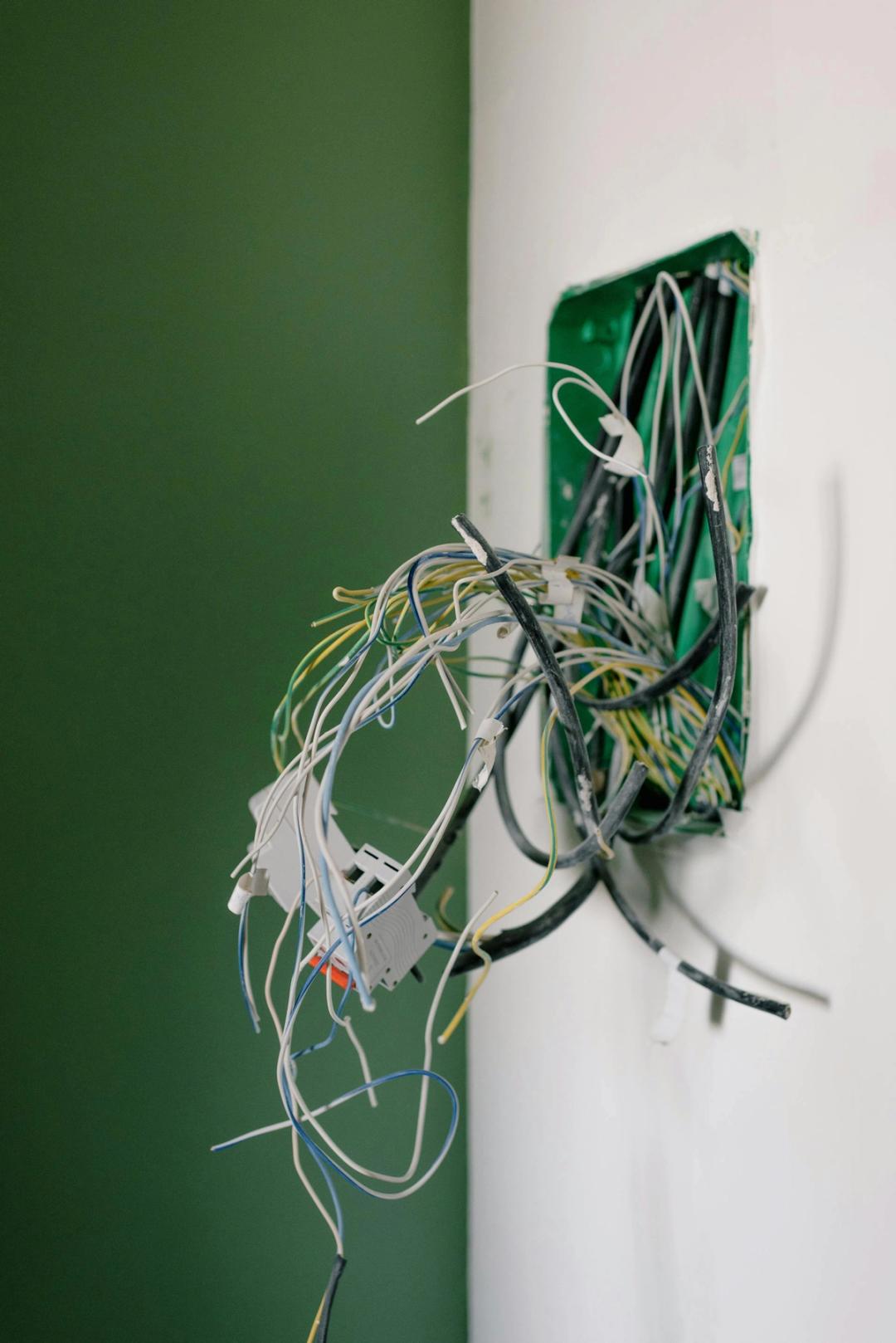
Your home was built before 1980. Homes from this era may have single strand aluminum wiring, cloth-insulated wiring, or knob-and-tube wiring, all of which have known issues. Single strand aluminum wiring in particular is common in Phoenix valley homes from the 1960s and 1970s, and is the type that creates fire risk at connection points.
Two-prong outlets throughout the house. If most of your outlets only have two slots instead of three, your home likely lacks proper grounding. This is both a safety concern and a code issue.
Frequent breaker trips or blown fuses. If this is happening regularly, your circuits are overloaded or the wiring itself is degraded. Our troubleshooting team can determine whether the fix is simple or if the wiring needs to be replaced.
Burning smell, discolored outlets, or warm switch plates. These are urgent warning signs. If you notice any of these, call an electrician immediately. Don't wait.
You're planning a major remodel or addition. If you're opening up walls anyway, it's the perfect time to rewire. The cost of rewiring drops significantly when the walls are already open because we don't have to cut into drywall and fish wires through closed cavities.
Insurance or sale requirements. Some insurance companies require updated wiring for coverage. And if you're selling your home, a buyer's inspector will flag outdated wiring, which can delay or kill a sale.
How Long Does a Rewire Take?
A full rewire on a typical single-story home in the Phoenix area takes about 3 to 5 days of electrical work. Two-story homes or larger properties can take a week or more. This doesn't include drywall repair, which happens after the electrical passes inspection.
The process generally goes like this: we sort out the permit question with you, disconnect the old wiring, run all new circuits, install new outlets and switches, connect everything to the new panel, and then schedule the city inspection. Once it passes, you're free to have the drywall patched and painted.
We always try to keep at least some circuits live during the process so you're not completely without power. For most homes, we can keep the kitchen and at least one bathroom operational throughout the project.
What About Single Strand Aluminum Wiring?
If your home has single strand aluminum branch wiring, you don't necessarily need a full rewire. In many cases, we can install special connectors (AlumiConn connectors) at every outlet, switch, and junction box to make the aluminum-to-copper connections safe. This is called a single strand aluminum wiring remediation and costs significantly less than a full rewire, typically $3,000 to $7,000 for a whole house.
We see single strand aluminum wiring constantly in older homes across Mesa, Tempe, Phoenix, and Scottsdale. If you're not sure what type of wiring you have, we can tell you during a free estimate.
Bottom Line
Rewiring a house is a significant investment. If your home has old, degraded, or undersized wiring, the risk of electrical fire is real.
If you think your home might need rewiring, or even if you just want to find out what you're working with, give us a call or request a free estimate. We'll come take a look and give you an honest answer. No pressure, no upselling.