
Troubleshooting 3 min read
How to Wire a GFCI Outlet: A Step-by-Step Guide for Beginners
Quick answer
Learn how GFCI line and load terminals work, the risks of incorrect wiring, and when outlet replacement should be handled by an electrician.
Need help with this? See our electrical troubleshooting service.
You are standing in your bathroom with a hairdryer in one hand, and nothing is happening. You press the "Reset" button on the outlet, but it won't click. It’s time for a replacement.
Ground Fault Circuit Interrupters (GFCIs) are life-saving outlets required by code in kitchens, bathrooms, garages, and outdoors. According to the Electrical Safety Foundation International (ESFI) (opens in a new tab), GFCIs have cut the number of home electrocutions in half since they were introduced in the 1970s.
A GFCI outlet will still "work" (provide power) even if it is wired incorrectly—but it won't protect you from shock.
If you are comfortable with basic tools, here is how to install a GFCI safely.
Note: If you are ever unsure, stop immediately and contact us for a free estimate.
Line vs. Load in GFCI Wiring
Before you touch a screwdriver, you must understand one concept. Unlike a regular outlet, a GFCI has two distinct sets of terminals on the back:
- LINE (Power In): These screws receive the electricity coming from your breaker panel.
- LOAD (Power Out): These screws send electricity downstream to other outlets in the room.
If you mix these up, the outlet will work, but the safety mechanism will be disabled.
Tools You Will Need
- Non-contact voltage tester
- Flathead and Phillips screwdrivers
- Wire strippers/cutters
- Needle-nose pliers
- Electrical tape
- Masking tape (for labeling)
Step 1: Turn Off the Power
Go to your breaker panel and turn off the circuit for the outlet you are working on. Do not guess. Plug a lamp into the outlet and flip breakers until the lamp turns off. Once you think it's off, use your non-contact voltage tester to double-check.
Step 2: Identify Your Wires
Remove the cover plate and unscrew the old outlet. Pull it out gently—do not disconnect the wires yet.
- If you see only 2 wires (plus a bare copper ground): This is easy. Both wires are "Line."
- If you see 4 wires (plus ground): You have power coming in (Line) and power going out to another outlet (Load). You must identify which is which.
How to identify Line vs. Load:
- Make sure the wires are separated and not touching anything.
- Turn the power back ON at the breaker carefully.
- Use your voltage tester to see which black wire creates a beep/light. That is your LINE (Hot) wire.
- Turn the power OFF again immediately.
- Mark the hot wire with a piece of tape.
Step 3: Connect the New GFCI
1. Connect the Ground: Connect the bare copper (or green) wire to the green screw at the bottom of the outlet.
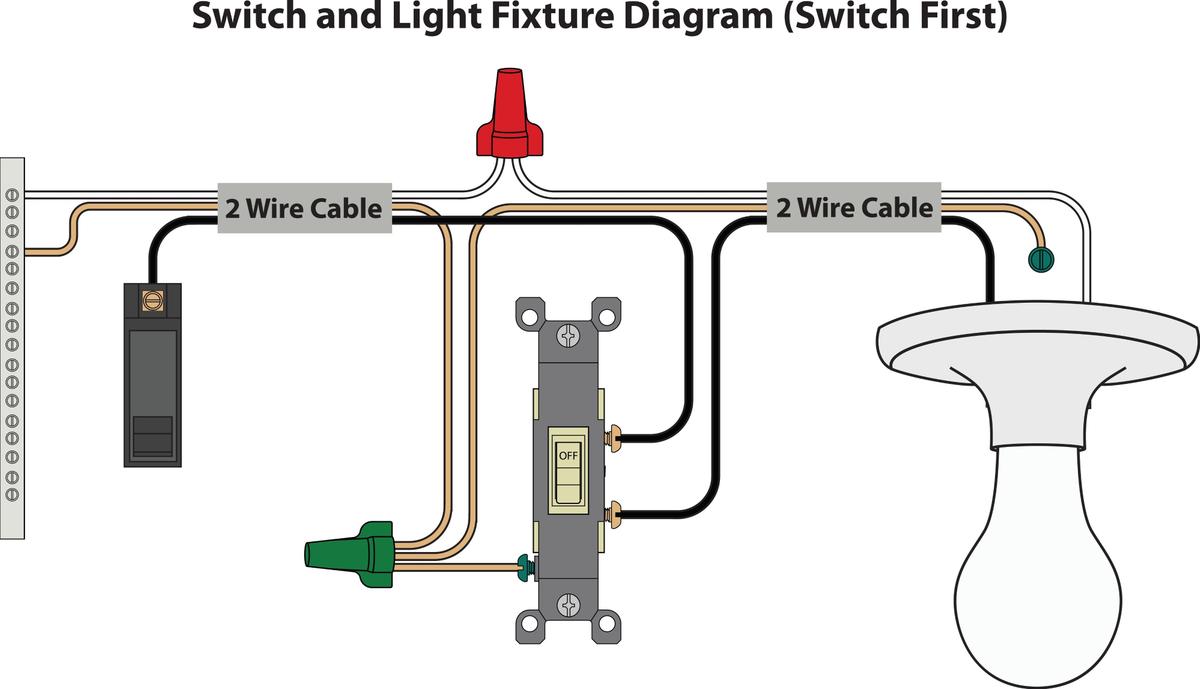
2. Connect the "LINE" Wires: Look at the back of your new GFCI. One set of screws will be labeled "LINE."
- Connect the White (Neutral) wire to the Silver "LINE" screw.
- Connect the Black (Hot) wire to the Brass/Gold "LINE" screw.
Shutterstock
3. Connect the "LOAD" Wires (Only if necessary): If you want this GFCI to protect other outlets in the room, peel off the yellow safety sticker covering the "LOAD" terminals and connect the remaining wires there (Black to Brass, White to Silver). If you only want to protect this single outlet, put a wire nut on the extra wires and tuck them back into the box. Do not use the Load terminals.
Step 4: The "Tug Test" and Install
Give each wire a firm tug to ensure it is clamped tight under the screw. Wrap a layer of electrical tape around the outlet to cover the side terminals (this prevents accidental shorts against the metal box).
Gently fold the wires into the box and screw the outlet into place. Install the cover plate.
Step 5: Test Your Work
Turn the breaker back on.
- Press the RESET button on the outlet. It should click and stay in.
- Plug in a lamp to ensure it works.
- Press the TEST button. The lamp should turn off, and the Reset button should pop out.
If the "Reset" button won't stay in, or if the light doesn't turn on, you likely reversed the Line and Load wires.
When to Call The Wire Guy
While replacing a simple outlet is a great DIY project, some situations require a professional electrician.
Call us if:
- Single Strand Aluminum Wiring: If your branch circuit wires are silver/grey instead of copper, special connectors are required by code to prevent fires at the connection points.
- No Ground Wire: If you open the box and see no bare copper wire, you need a different grounding solution.
- Box is Too Small: GFCIs are bulky. Jamming them into a small box can crush wires and cause short circuits.
- Sparks or Burning Smells: Never ignore these signs.
If your wiring looks confusing, or if the GFCI won't reset, let us handle it.