
Troubleshooting 3 min read
Why Your Breaker Trips When the AC Turns On in Phoenix
Quick answer
It is rarely the AC itself. Its startup surge finds the weak spot in your electrical system: an older or weakened breaker, an undersized panel, a shared or overloaded circuit, wiring issues behind the walls, or poor grounding and load balance. If the breaker trips more than once under normal use, have a licensed electrician inspect the system.
Need help with this? See our electrical troubleshooting service.
A breaker that trips every time the AC kicks on is one of the most common electrical complaints Phoenix homeowners deal with, and it often starts showing up long before summer heat hits full force.
This usually isn’t an AC problem. More often, your home’s electrical system is being pushed past what it can safely handle.
Why This Happens So Often in Phoenix Homes
Phoenix homes work harder than homes in most parts of the country. Even in winter, HVAC systems cycle regularly, and once summer arrives, electrical systems are under constant stress.
Many Valley homes were built decades ago, when electrical demand looked very different. Back then, homes weren’t running high-efficiency AC units, pool pumps, EV chargers, solar inverters, and modern appliances all at once. Today, that’s normal.
When your AC turns on, it draws a large amount of power instantly. If your electrical system isn’t properly sized or balanced, the breaker does exactly what it’s designed to do: it trips to prevent overheating and potential damage.
The Most Common Reasons Your Breaker Trips When the AC Starts
Older or weakened breakers are a big one. Breakers don’t last forever. Years of heat, high current, and constant cycling can cause them to trip more easily than they should, especially during startup surges from HVAC systems.
Undersized electrical panels are another major culprit. Plenty of older Phoenix homes still run on aging 200-amp panels (and a smaller number on 100-amp service) that simply weren't designed to support modern electrical loads. When the AC kicks on, the panel can’t keep up.
Shared or overloaded circuits also cause problems. In some homes, the AC shares a circuit or competes with other high-draw appliances. When multiple systems try to pull power at the same time, the breaker trips.
Wiring issues behind the walls can also play a role. Aging conductors, loose connections, or improper wiring methods increase resistance and heat, which makes breakers trip faster under load.
Finally, grounding and load balancing issues are common in desert environments. Poor grounding or unbalanced electrical loads can cause irregular current flow that stresses breakers when large equipment turns on.
Why It Sometimes Starts in Winter
A lot of homeowners assume this is strictly a summer issue, but January is often when the warning signs show up.
The system isn’t under maximum load yet, but weakened breakers, aging panels, or wiring issues start revealing themselves when the HVAC cycles for heating or occasional cooling.
That makes winter the best time to fix it, before the first 110-degree week brings outages and emergency calls.
Why Resetting the Breaker Isn’t the Solution
Resetting a tripped breaker might get things running again, but it doesn’t fix the cause.
Breakers trip for a reason. Repeated tripping means something is overheating, overloaded, or failing. Ignoring it can lead to damaged equipment, shortened AC lifespan, or in worst cases, electrical hazards inside the panel or walls.
If a breaker trips more than once under normal use, it’s time for a professional inspection.
How an Electrician Actually Fixes This
A licensed electrician looks at the entire electrical system, not just the breaker that tripped.
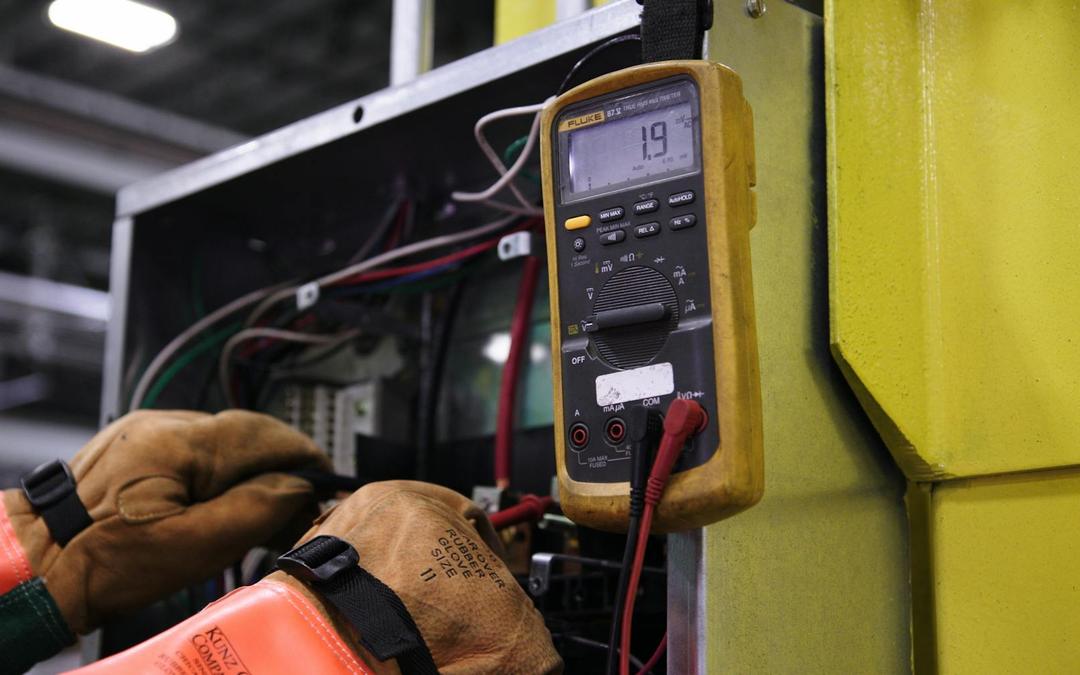
That starts with inspecting the breaker and panel to see if components are worn, undersized, or improperly configured. Load calculations are performed to determine whether the panel can safely support the AC and other major loads in the home.
Wiring connections are checked for heat damage or resistance issues. Grounding and bonding are evaluated to ensure current is flowing safely and evenly. In many cases, the fix is straightforward, such as replacing a failing breaker or rebalancing circuits. In others, a panel upgrade or dedicated circuit for the AC is the safest long-term solution.
Is This Dangerous?
A single trip isn’t an emergency. Repeated tripping is a warning.
Breakers that trip every time the AC turns on are signaling excessive stress in the electrical system. Over time, that stress creates heat, and heat is what causes electrical failures.
When to Call a Phoenix Electrician
You should schedule an electrical inspection if your breaker trips consistently when the AC starts, if your panel is more than 20 to 25 years old, if lights dim or flicker when the AC runs, or if your home has added new electrical loads over the years without a panel upgrade.
Get a Tripping AC Breaker Checked
In Phoenix, an AC that trips a breaker is a sign your electrical system may be struggling to keep up.
If your breaker trips when the AC turns on, have a licensed electrician check your electrical system.
At The Wire Guy Electric, we can help you diagnose potential issues.
Local help Electrician in Phoenix, AZ